

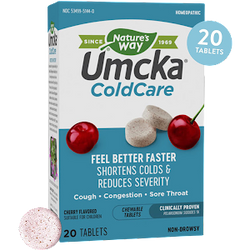
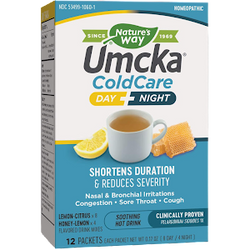
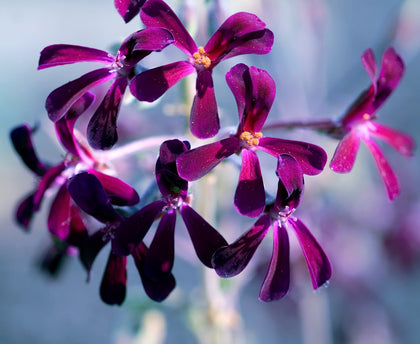
Umcka® Product Research
Clinically Proven
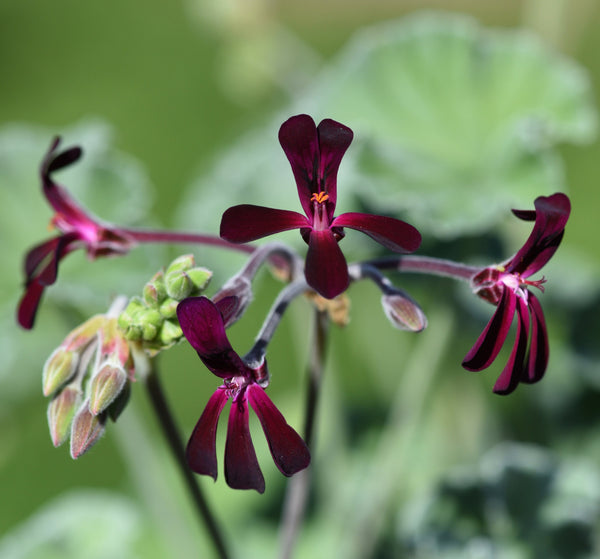
The Pelargonium sidoides extract within Umcka® has been widely studied by various clinical organizations to not only relieve symptoms associated with common colds, but also shortens the duration and reduces severity of throat, sinus and bronchial irritations.
Summaries of a few of the published studies can be accessed below:
Pelargonium sidoides extract for acute respiratory tract infections.
Efficacy of a pelargonium sidoides preparation in patients with the common cold: a randomized, double blind, placebo-controlled clinical trial.
Pelargonium sidoides preparation (EPs 7630) in the treatment of acute bronchitis in adults and children.
Efficacy and safety of an extract of Pelargonium sidoides (EPs 7630) in adults with acute bronchitis. A randomised, double-blind, placebo-controlled trial.
Treatment of acute rhinosinusitis with the preparation from Pelargonium sidoides EPs 7630: a randomized, double-blind, placebo-controlled trial.
Efficacy of extract of Pelargonium sidoides in children with acute non-group A beta-hemolytic streptococcus tonsillopharyngitis: a randomized, double-blind, placebo-controlled trial.
**********************************************************************
Treatment of acute bronchitis in adults with a pelargonium sidoides preparation (EPs 7630): a randomized, double-blind, placebo-controlled trial.
Chuchalin AG, Berman B, Lehmacher W.
Explore (NY). 2005 Nov;1(6):437-45.
Russian Research Institute of Pulmonology, Moscow, Russia.
BACKGROUND: Acute bronchitis is a widespread medical problem, and, although predominantly caused by viruses, antibiotics are still prescribed unnecessarily. Therefore, it is of utmost importance to evaluate the use of alternative treatments for acute bronchitis.
OBJECTIVE: To evaluate the efficacy and safety of a Pelargonium sidoides preparation (EPs 7630 is a registered trademark of Dr. Willmar Schwabe GmbH & Co. KG, Karlsruhe, Germany) compared with placebo in patients with acute bronchitis.
DESIGN: Randomized, double-blind, placebo-controlled trial using a design with planned interim analyses.
SETTING: Six outpatient clinics.
PATIENTS: One hundred twenty-four adults with acute bronchitis present </=48 hours, Bronchitis Severity Score (BSS) >/=five points, and informed consent.
INTERVENTION: EPs 7630 or placebo (30 drops three times daily) for seven days.
MEASUREMENTS: The primary outcome criterion was the change of BSS on day seven.
RESULTS: The decrease of BSS from baseline to day seven was 7.2 +/- 3.1 points with EPs 7630 (n = 64) and 4.9 +/- 2.7 points with placebo (n = 60). The 95% confidence interval for the difference of effects between the two treatment groups (EPs 7630 minus placebo) was calculated as (1.21, 3.56) showing a significant improvement of EPs 7630 compared with placebo on day seven (P < .0001). For each of the five individual symptoms, rates of complete recovery were considerably higher in the EPs 7630 group. Within the first four days, onset of treatment effect was recognized in 68.8% of patients in the EPs 7630 group compared with 33.3% of patients in the placebo group (P < .0001). Health-related quality of life improved more in patients treated with EPs 7630 compared with placebo-treated patients. Adverse events occurred in 25 of 124 patients (EPs 7630: 15/64 patients, placebo: 10/60 patients). All adverse events were assessed as nonserious.
CONCLUSIONS: EPs 7630 was superior in efficacy compared with placebo in the treatment of adults with acute bronchitis. It may therefore offer an effective alternative for acute bronchitis unless antibiotics are clearly indicated.
back to top
Pelargonium sidoides preparation (EPs 7630) in the treatment of acute bronchitis in adults and children.
Matthys H, Kamin W, Funk P, Heger M.
Phytomedicine. 2007;14 Suppl 6:69-73. Epub 2006 Dec 20.
Department of Pneumology, University Hospital, Freiburg, Germany.
Acute bronchitis, although mostly caused by viral infections, is commonly treated with antibiotics. As antibiotics should only be prescribed upon strict indication, treatment options like a liquid herbal drug preparation from the roots of Pelargonium sidoides (EPs 7630) gain more and more interest.
To evaluate the efficacy and safety of treatment with EPs 7630 in patients with acute bronchitis, a multi-centre, prospective, open observational study was conducted in 440 study sites located in Germany. A total of 2099 patients aged 0-93 years with productive cough for less than six days without indication for treatment with antibiotics were given EPs 7630-solution in an age-dependent dosage for 14 days. The primary outcome criterion was the mean change of the Bronchitis Severity Score (BSS: cough, sputum, rales/rhonchi, chest pain at cough, dyspnoea) from baseline to patient's individual last observation.
During treatment, the mean BSS of all patients decreased from 7.1+/-2.9 points at baseline to 1.0+/-1.9 points at patients' individual last visit. Subgroup analysis for children showed a decrease of mean BSS from 6.3+/-2.8 points to 0.9+/-1.8 points and analysis of children younger than three years showed a decrease of mean BSS from 5.2+/-2.5 points to 1.2+/-2.1 points. Adverse events occurred in 26/2099 (1.2%) patients. Serious adverse events were not reported.
In conclusion, EPs 7630 is an effective and well tolerated treatment of acute bronchitis in adults, children and infants outside the strict indication for antibiotic treatment.
back to top
Efficacy and safety of an extract of Pelargonium sidoides (EPs 7630) in adults with acute bronchitis. A randomised, double-blind, placebo-controlled trial.
Matthys H, Eisebitt R, Seith B, Heger M.
Phytomedicine. 2003;10 Suppl 4:7-17.
Lungs at Home, Freiburg i. Br., Germany
BACKGROUND: New evidence-based treatment options are required to avoid antibiotic overuse in acute bronchitis and to replace potentially inefficacious initial antibiotic treatment.
OBJECTIVE: To evaluate the efficacy and safety of an extract of Pelargonium sidoides (EPs 7630) compared to placebo in patients with acute bronchitis.
DESIGN: Randomized, double-blind, placebo-controlled trial using a multi-stage adaptive design.
SETTING: 36 primary care physicians (investigators) at the out-patient care setting.
PATIENTS: 468 adults with acute bronchitis present < or = 48 hours, Bronchitis Severity Score (BSS) > or = 5 points, and informed consent.
INTERVENTION: EPs 7630 or placebo (30 drops three times daily) for 7 days. MEASUREMENT: The primary outcome criterion was the change of BSS on day 7.
RESULTS: The decrease of BSS from baseline to day 7 was 5.9 +/- 2.9 points under EPs 7630 (n = 233), and 3.2 +/- 4.1 points under placebo (n = 235). The 95% CI for the difference of effects between the two treatment groups (EPs 7630 minus placebo) was calculated as [-3.359; -2.060] showing a significant superiority of EPs 7630 compared to placebo on day 7 (p < 0.0001). Working inability decreased to 16% in the EPs 7630 group compared to 43% in the placebo group (p < 0.0001). In addition, the duration of illness was significantly shorter for patients treated with EPs 7630 compared to placebo (p < 0.001). Within the first four days, onset of treatment effect was recognized in 53.6% of patients under EPs 7630 compared to 36.2% of patients under placebo, only (p < 0.0001). Adverse events (AEs) occurred in 36/468 patients (EPs 7630: 20/233 patients, placebo: 16/235 patients). All events were assessed as non-serious.
CONCLUSION: EPs 7630 was superior in efficacy compared to placebo in the treatment of adults with acute bronchitis. Treatment with EPs 7630 clearly reduced the severity of symptoms and shortened the duration of working inability for nearly 2 days.
back to top
Pelargonium sidoides for acute bronchitis: a systematic review and meta-analysis.
Agbabiaka TB, Guo R, Ernst E.
Phytomedicine. 2008 May;15(5):378-85. Epub 2008 Jan 28.
Complementary Medicine, Peninsula Medical School, Universities of Exeter and Plymouth, 25 Victoria Park Road, Exeter EX2 4NT, UK. taofikat.agbabiaka@pms.ac.uk
OBJECTIVE: To critically assess the efficacy of Pelargonium sidoides for treating acute bronchitis.
DATA SOURCES: Systematic literature searches were performed in 5 electronic databases: (Medline (1950 - July 2007), Amed (1985 - July 2007), Embase (1974 - July 2007), CINAHL (1982 - July 2007), and The Cochrane Library (Issue 3, 2007) without language restrictions. Reference lists of retrieved articles were searched, and manufacturers contacted for published and unpublished materials.
REVIEW METHODS: Study selection was done according to predefined criteria. All randomized clinical trials (RCTs) testing P. sidoides extracts (mono preparations) against placebo or standard treatment in patients with acute bronchitis and assessing clinically relevant outcomes were included. Two reviewers independently selected studies, extracted and validated relevant data. Methodological quality was evaluated using the Jadad score. Meta-analysis was performed using a fixed-effect model for continuous data, reported as weighted mean difference with 95% confidence intervals.
RESULTS: Six RCTs met the inclusion criteria, of which 4 were suitable for statistical pooling. Methodological quality of most trials was good. One study compared an extract of P. sidoides, EPs 7630, against conventional non-antibiotic treatment (acetylcysteine); the other five studies tested EPs 7630 against placebo. All RCTs reported findings suggesting the effectiveness of P. sidoides in treating acute bronchitis. Meta-analysis of the four placebo-controlled RCTs suggested that EPs 7630 significantly reduced bronchitis symptom scores in patients with acute bronchitis by day 7. No serious adverse events were reported.
CONCLUSION: There is encouraging evidence from currently available data that P. sidoides is effective compared to placebo for patients with acute bronchitis.
back to top
Treatment of acute rhinosinusitis with the preparation from Pelargonium sidoides EPs 7630: a randomized, double-blind, placebo-controlled trial.
Bachert C, Schapowal A, Funk P, Kieser M.
Rhinology. 2009 Mar;47(1):51-8.
University of Ghent, ENT Department, Ghent, Belgium. claus.bachert@ugent.be
OBJECTIVE: To evaluate the efficacy and safety of the herbal drug preparation from the roots of Pelargonium sidoides (EPs 7630) compared to placebo.
DESIGN: Double-blind, randomized, placebo-controlled, parallel-group, multicenter trial with a group-sequential adaptive design.
SUBJECTS: Patients with sinonasal symptoms of at least 7 days duration, and radiographically and clinically confirmed acute rhinosinusitis of presumably bacterial origin with a Sinusitis Severity Score (SSS) of at least 12 out of 24 points at inclusion.
INTERVENTIONS: EPs 7630, a herbal drug preparation from the roots of Pelargonium sidoides (1: 8-10; extraction solvent: ethanol 11% (w/w)), or matching placebo at a dose of 60 drops three times daily for maximum 22 days.
MAIN OUTCOME MEASURES: Change in the SSS after 7 days.
RESULTS: 103 patients were recruited until the planned interim analysis. The mean decrease in the SSS was 5.5 points in the EPs 7630 group compared to 2.5 points in the placebo group, a difference of 3.0 points (95% confidence interval 2.0 to 3.9, p < 0.00001). This result was confirmed by all secondary parameters indicating a more favourable course of the disease and a faster recovery in the EPs 7630 group. According to the pre-specified decision rule, the study was stopped after obtaining proof of efficacy for EPs 7630.
CONCLUSIONS: EPs 7630 was well tolerated and superior in efficacy compared to placebo in the treatment of acute rhinosinusitis of presumably bacterial origin.
back to top
Efficacy of extract of Pelargonium sidoides in children with acute non-group A beta-hemolytic streptococcus tonsillopharyngitis: a randomized, double-blind, placebo-controlled trial.
Bereznoy VV, Riley DS, Wassmer G, Heger M.
Altern Ther Health Med. 2003 Sep-Oct;9(5):68-79.
Pediatric Department II, Academy for Continuing Medical Education, Kiev, Ukraine.
BACKGROUND: Clinical trial data suggest that antibiotics are not indicated for the treatment of acute non-group A beta hemolytic strep (non-GABHS) tonsillopharyngitis. Nevertheless patients are symptomatic and effective alternatives for its treatment are needed that have been evaluated in clinical trials.
OBJECTIVE: To confirm that treatment with an extract of Pelargonium sidoides (EPs 7630) is superior to placebo for the treatment of non-GABHS tonsillopharyngitis in children.
DESIGN: Randomized, double-blind, placebo-controlled trial.
SETTING: Six study sites in 4 pediatric and ENT primary care outpatient clinics.
PATIENTS: One hundred forty-three children aged 6-10 years with non-GABHS tonsillopharyngitis present < or = 48 h, a negative rapid strep screen, a Tonsillopharyngitis Severity Score (TSS) > or = 8 points, and informed consent.
INTERVENTION: EPs 7630 or placebo (20 drops tid) for 6 days.
MEASUREMENT: The primary outcome criterion was the decrease of the TSS from baseline (day 0) to day 4.
RESULTS: The decrease of the TSS from baseline (day 0) to day 4 was 7.1 +/- 2.1 points under EPs 7630 (n = 73), and 2.5 +/- 3.6 points under placebo (n = 70). The covariate adjusted decrease was 7.0 +/- 2.4 points under EPs 7630, and 2.9 +/- 2.4 points under placebo. The 95% RCI for the difference between the groups was [2.7; 4.9] demonstrating a significant difference in efficacy of EPs 7630 compared to placebo (P < 0.0001). Adverse events (AEs) occurred in 15/143 patients (EPs 7630: 4/73 patient, placebo: 44/70) and were not related to the investigational medication.
CONCLUSIONS: EPs 7630 was superior compared to placebo for the treatment of acute non-GABHS tonsillopharyngitis in children. Treatment with EPs 7630 reduced the severity of symptoms and shortened the duration of illness by at least 2 days.
back to top
Efficacy of a pelargonium sidoides preparation in patients with the common cold: a randomized, double blind, placebo-controlled clinical trial.
Lizogub VG, Riley DS, Heger M.
Explore (NY). 2007 Nov-Dec;3(6):573-84.
BACKGROUND: The common cold is a viral infection with symptoms such as sneezing, sore throat, and running nose. It is one of the most prevalent illnesses in the world, and although commonly caused by rhinoviruses, antibiotics are often prescribed unnecessarily. Therefore, it is of utmost importance to evaluate alternative treatments such as herbal medications, whose efficacy and safety is proven by pharmacological and clinical studies.
OBJECTIVE: The aim of the present study was to evaluate the efficacy of a liquid herbal drug preparation from the roots of Pelargonium sidoides compared with placebo in adult patients with the common cold.
DESIGN: The study was designed as a multicenter, prospective, randomized, double blind, parallel group, placebo-controlled phase III clinical trial with an adaptive group-sequential design.
SETTING: The study took place in eight outpatient departments affiliated with hospitals.
PATIENTS: One hundred three male and female adult patients with at least two major and one minor or with one major and three minor cold symptoms (maximum symptom score of 40 points), present for 24 to 48 hours, and who gave provision of informed consent were randomized to receive either 30 drops (1.5 mL) of the liquid herbal drug preparation EPs or placebo three times a day.
INTERVENTION: Patients received randomized treatment for a maximum period of 10 days.
MEASUREMENTS: The primary outcome criterion was the sum of symptom intensity differences (SSID) of the cold intensity score (CIS) from day one to day five. The CIS consists of the following 10 cold symptoms: nasal drainage, sore throat, nasal congestion, sneezing, scratchy throat, hoarseness, cough, headache, muscle aches, and fever.
RESULTS: From baseline to day five, the mean SSID improved by 14.6 +/- 5.3 points in the EPs group compared with 7.6 +/- 7.5 points in the placebo group. This difference was statistically significant (P < .0001). The mean CIS decreased by 10.4 +/- 3.0 points and 5.6 +/- 4.3 points in EPs and placebo-treated patients, respectively. After 10 days, 78.8% versus 31.4% in the EPs versus placebo group were clinically cured (CIS equals zero points or complete resolution of all but a maximum of one cold symptom; P < .0001). The mean duration of inability to work was significantly lower in the EPs treatment group (6.9 +/- 1.8 days) than in the placebo group (8.2 +/- 2.1 days; P = .0003). Treatment outcome (rates of complete recovery or major improvement from disease [integrative medicine outcomes scale]) was assessed better in the EPs treatment group than in the placebo group by both the investigator and the patient on day five (P < .0001). Adverse events occurred in three of 103 patients (2.9%), with two of 52 (3.8%) and one of 51 (2.0%) patients in the EPs and placebo group, respectively. All adverse events were assessed as nonserious. At the end of treatment, all patients (100%) in the active treatment group judged the subjective tolerability of EPs as good or very good.
CONCLUSIONS: EPs represents an effective treatment of the common cold. It significantly reduces the severity of symptoms and shortens the duration of the common cold compared with placebo. The herbal drug is well tolerated.
back to top
Pelargonium sidoides extract for acute respiratory tract infections.
Timmer A, Günther J, Rücker G, Motschall E, Antes G, Kern WV.
Cochrane Database Syst Rev. 2008 Jul 16;(3):CD006323.
Department of Medical Biometry and Statistics, German Cochrane Center, University Medical Center, Stefan-Meier-Str. 26, Freiburg, Germany, 79104. timmer@cochrane.de
BACKGROUND: Pelargonium sidoides (P. sidoides), also known as Umckaloabo, is a herbal remedy thought to be effective in the treatment of acute respiratory infections (ARIs).
OBJECTIVES: To assess the efficacy and safety of P. sidoides for the treatment of ARIs in children and adults.
SEARCH STRATEGY: We searched the Cochrane Central Register of Controlled Trials (CENTRAL) (The Cochrane Library 2007, issue 4) which includes the Cochrane Acute Respiratory Infections Group's Specialised Register; MEDLINE (1966 to November 2007); EMBASE (1974 to December 2007); and other electronic databases.
SELECTION CRITERIA: Randomized controlled trials (RCTs) examining the efficacy of P. sidoides preparations in ARIs compared to placebo, no treatment or any other treatment. Complete resolution of all symptoms was defined as a primary outcome.
DATA COLLECTION AND ANALYSIS: Three review authors (AT, JG, WK) independently extracted and quality scored the data. Separate analyses were performed by age group and disease entity. Heterogeneity was examined using the I-square (I(2)) statistic. Pooled relative risks (RR) were calculated using a fixed-effect model if heterogeneity was absent (I(2) < 5%; P > 0.1), or a random-effects model in the presence of heterogeneity. If heterogeneity was substantial (I(2) > 50%; P < 0.10), a pooled effect was not calculated.
MAIN RESULTS: Three trials (746 patients) of efficacy in acute bronchitis in adults showed substantial heterogeneity for all relevant outcomes. and three trials (819 children) were similarly inconsistent for acute bronchitis in children. Type of preparation was a potential cause of heterogeneity (not effective in tablet form).One unpublished study in patients with sinusitis (n = 103 adults) showed significant treatment effects (complete resolution at day 21; RR 0.43, 95% CI 0.30, 0.62). One study in the common cold demonstrating efficacy after 10 days, but not five days.Four trials were excluded because of excessive risk of bias. There were no valid data for the treatment of other acute respiratory tract infections. Adverse events were more common with P. sidoides, but none were serious.
AUTHORS' CONCLUSIONS: P. sidoides may be effective in alleviating symptoms of acute rhinosinusitis and the common cold in adults, but doubt exists. It may be effective in relieving symptoms in acute bronchitis in adults and children, and sinusitis in adults. Reliable data on treatment for other ARIs were not identified.
back to top